
Ease the Ache…
A death care awareness + planning project

About Ease the Ache
Ease the Ache is a simple resource created to help you understand available end-of-life options. This project encourages people to research and understand options so a plan can be made ahead of time.
When someone dies without a plan in place, decisions have to be made..often immediately.
In the midst of grief, these choices can feel overwhelming. Making a plan now is a way to show how much you care about your people, ultimately easing their ache. Making a plan ahead of time will not remove the grief, but it will remove uncertainty.
Ease the Ache is a starting point for learning about a selection of end-of-life disposition options. It is not an exhaustive resource. Available options vary by location, and religious, spiritual, and cultural traditions may have specific practices or requirements which should be considered as part of your planning.
The goal is simple: create a clear plan for your body care and final arrangements.
What you’ll find here…
Choices/Options
This site is a starting place to learn about options such as:
Green Burial
Natural Organic Reduction (human composting/terramation)
Cremation
Traditional Burial
Alkaline Hydrolysis (water cremation)
Body Donation
Each option is presented in plain language, with links to trusted resources so you can explore further if you choose. Pros and considerations for each option will also be available. These are general considerations people often weigh—what matters most will be different for everyone.

About me
Welcome, and thank you for visiting.
My name is April, and Ease the Ache was born from my own journey of making final body disposition plans.
For much of my life, death and dying were topics I preferred to avoid. Like many people, I found them uncomfortable to think about, let alone discuss. There is often a feeling talking about death somehow invites it closer. Yet my perspective changed dramatically when I learned about a non-traditional option for body disposition I had never heard of before.
As I began researching and learning about end-of-life choices, I was surprised to discover how many options are available today. There are far more possibilities than the traditional choices many of us assume are our only options.
Whether my personal choice is the same as yours is not what matters. What matters is becoming informed about the options available and making a decision that feels right for you. Your body is your responsibility, and making your wishes known can be one of the greatest gifts you leave to those who love you. During a time of grief, they should not have to wonder what you would have wanted.
As part of my own decision-making process, I did extensive research. I learned about the founder, the company, and its mission. I toured the facility, volunteered with the organization, and asked questions. Through that process, I gained confidence knowing my body would be treated with dignity, care, and respect. Whatever option you are considering, I encourage you to do your own research, read the fine print, review pricing, and make the choice which best aligns with your values.
The day I completed my pre-planning arrangements, I felt something unexpected: peace. I felt empowered knowing my wishes were documented, my plans were in place, and the people I love would not be left guessing. What I once viewed as an uncomfortable task became a meaningful act of preparation and care.
This website is not for profit. Its purpose is simply to educate, inform, and encourage thoughtful conversations about end-of-life choices. My hope is the information shared here helps you explore your options, ask questions, and make decisions that are right for you.
If you would like to share information, suggest additional resources, or continue the conversation, please complete the contact form. I would love to hear from you.
Thoughtful planning today can ease the ache of uncertainty for the people who matter most to us.

If I can stop one heart from breaking,
I shall not live in vain;
If I can ease one life the aching,
Or cool one pain,
Or help one fainting robin
Unto his nest again,
I shall not live in vain.

-Emily Dickinson
Green burial
A green burial is a way of caring for the body after death which focuses on natural return to the earth. It typically avoids embalming, concrete vaults, and non-biodegradable materials. The body is placed in a simple container or shroud and buried in a natural setting. A green burial is designed to reduce environmental impact, allow natural decomposition and often takes place in designated conservation lands or designated ares in cemeteries.

Pros
Uses minimal environmental resources (no embalming, non-toxic approach)
Biodegradable materials (simple shroud or biodegradable casket)
Supports natural land conservation in many sites
Often lower overall cost than traditional burial
Creates a natural return-to-earth process without long-term infrastructure
Considerations
Availability is limited in some regions
Cemetery rules vary (some still require specific containers or markers)
No embalming, which can affect timing of services
Graves are usually simpler (often natural markers or GPS instead of headstones)
Green Burial Typical range
$1,500 – $4,000 (most common range)
Up to $12,000+ depending on location, cemetery type, and services chosen
Most families actually pay:
Around $3,500 – $4,500 in many regions for a basic green burial in a natural or conservation cemetery
Green burial can include
Natural burial sites
Simple markers or GPS marking
Family and friends participation
Green burial does not include
Embalming
Metal caskets
Concrete vaults
Heavy cemetery landscaping
Ask yourself
Is green burial available in my area?
Are there certified green burial cemeteries nearby?
What are the legal requirements in my state?
Trusted Natural/Green Burial Resources (U.S.)
“What is Green Burial?” – Green Burial Council explainer
Very accessible overview of how green burial differs from conventional burial.
Conservation & natural burial explanation
Nature’s Burial (conservation burial overview)
Explains how green burial works and why families choose it.
The Forest Conservation Burial Ground (Oregon)
Real-world example of a conservation burial ground and how it operates.
Larkspur Conservation Burial (Tennessee)
Very clear “how it works” explanation and planning steps.
Finding natural burial options near you
Natural Burial Cemetery Guide (U.S. directory)
Helps people locate green burial cemeteries by region and learn basics.
Natural Burial NH resource hub (good national overview + tools)
Includes guides, definitions, and links to burial ground directories.
Natural Organic Reduction (NOR)
also know as human composting or terramation.
A method of body care after death where the body is transformed into soil through a controlled natural process.
Pros
Transforms the body into soil through a natural decomposition process
Avoids embalming chemicals and flame-based cremation
Produces usable soil that can be returned to nature or used for planting (depending on regulations)
Lower carbon impact compared to traditional burial or cremation
Appeals to people wanting an environmentally regenerative option
Considerations
Not legally available in all states (availability is expanding but still limited)
Requires specific facilities and transport to approved providers
Not all families feel comfortable with the idea of soil return
Memorial practices may need to be planned differently (no traditional gravesite)
Process takes several weeks, so timing differs from cremation
Typical NOR cost range
$3,000 – $7,500+
Trusted Natural Organic Reduction Resources (U.S.)
National Funeral Directors Association (NFDA) – NOR overview
Clear definition, process overview, and industry context.
WebMD – What is human composting?
Very readable explanation of how the process works step-by-step.
Wikipedia – Human composting (NOR overview)
Broad summary of history, legality, and process.
Process + how it works
Experience Life (Lifetime) – What is human composting?
Explains the science and how the system works in real facilities.
US Funerals Online – Human composting guide
Clear breakdown of the vessel process and timeline.
Finding providers
Recompose (first U.S. human composting provider)
Real-world example of how NOR is offered in practice
Cremation
Cremation is one of several end-of-life options available, and includes choices about what happens to remains afterward.
Pros
Flexible timing for memorials
Generally lower cost than burial
Many options for ashes
Considerations
Environmental impact (energy use/emissions)
Some people feel it lacks a physical place to visit
Can still become costly depending on services
Typical cremation cost range
Direct cremation (most basic option):
$700 – $3,500
Cremation with a memorial service:
$2,000 – $5,000
Full-service cremation (viewing + funeral-style service):
$4,000 – $8,000+
People often don’t realize cremation has choices afterward
Scattering ashes (varies by state rules)
Keeping at home
Burial of ashes
Columbarium placement
Green/natural scattering areas
Clear explanations
National Funeral Directors Association (NFDA) – Cremation overview
Clear, factual explanation of cremation, process, and options.
Funeral Consumers Alliance – Cremation basics
Very consumer-focused, practical, and unbiased.
Cremation Association of North America (CANA)
Industry authority with statistics, trends, and explanations.
What happens / how it works
Eternity Cremation Services – How cremation works
Step-by-step overview of the process in simple language.
Dignity Memorial – Cremation process explained
Very common provider with clear breakdown of options and steps.
Consumer rights / making choices
FTC Funeral Rule (what providers must disclose)
Important consumer protection info about pricing and transparency.
Funeral Consumers Alliance – Planning ahead
Helps people understand their rights and plan ahead without pressure.
Traditional Burial
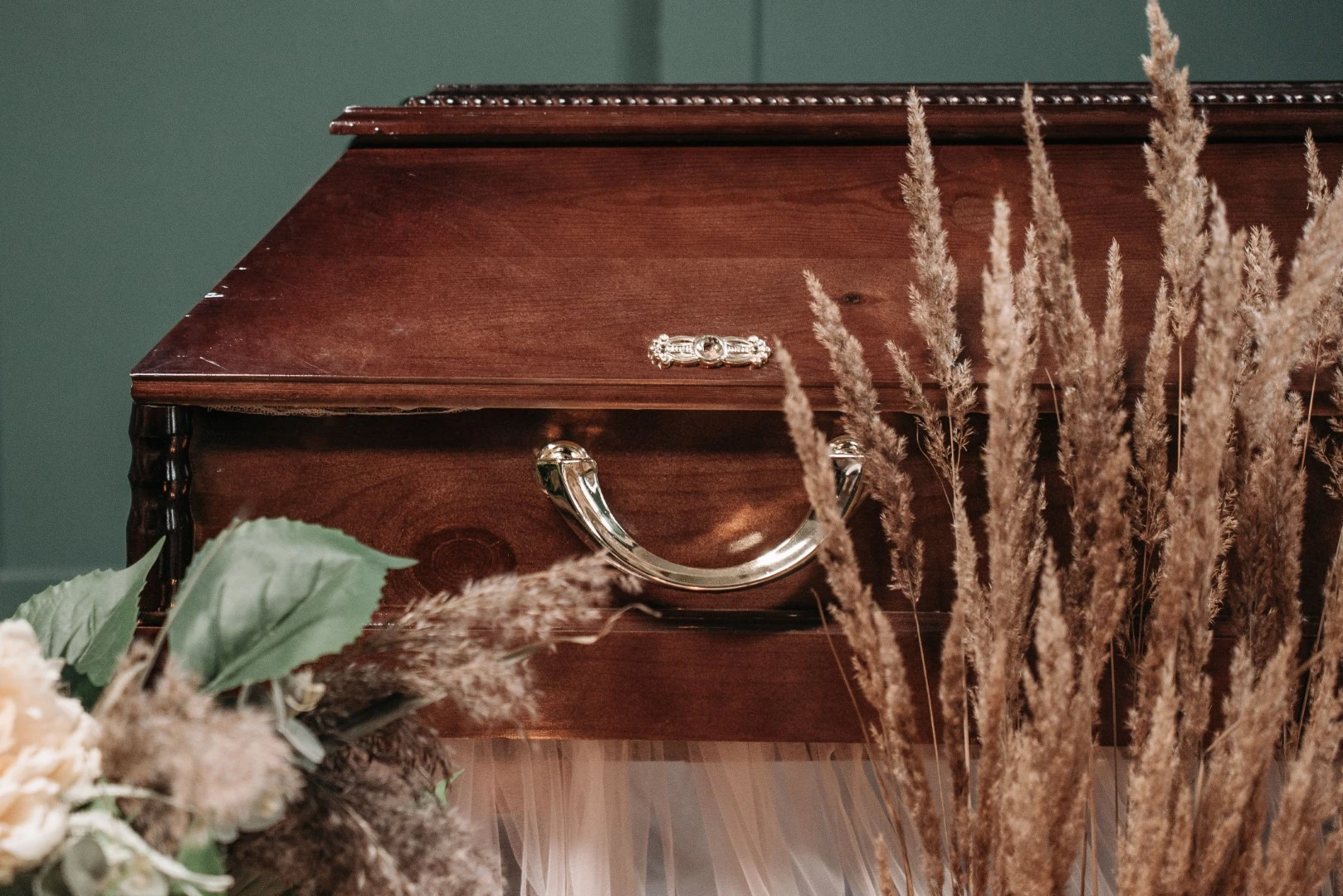
Burial is one of several options for body care and final arrangements, and includes a range of choices depending on personal preference, cost, and location.
Pros
Familiar and widely available option
Provides a permanent physical gravesite for visits and remembrance
Allows for structured funeral and viewing traditions
Clear, established process with most funeral homes and cemeteries
Can be meaningful for families who value ritual and gathering
Considerations
Typically the most expensive disposition option
Uses more land and long-term cemetery maintenance resources
Embalming and vaults are often required (adds cost and environmental impact)
Ongoing cemetery fees or headstone costs may apply
Less environmentally sustainable compared to natural options
Typical burial cost range
$7,000 – $12,000 on average
$10,000 – $20,000+
Burial Resources
National Funeral Directors Association – Burial overview
Straightforward explanation of what traditional burial involves.
Funeral Consumers Alliance – Burial basics
Practical, consumer-focused information without sales pressure.
What happens / how it works
Dignity Memorial – Burial process explained
Step-by-step overview of what typically happens.
Everplans – Burial guide
Clear breakdown of choices, timing, and logistics.
Consumer rights & planning
Federal Trade Commission – Funeral Rule
Explains your rights around pricing and what funeral homes must disclose.
Funeral Consumers Alliance – Planning ahead
Helps people understand how to make decisions ahead of time.
Alkaline hydrolysis (Aquamation/Water Cremation)
An alternative method to cremation that uses water instead of flame. The body is placed in a sealed vessel. Aquamation uses water, temperature, and an alkaline solution to accelerate natural decomposition. This process breaks down soft tissue with remaining bone processed into ash.

Pros
Uses water, heat, and alkaline solution instead of flame
Significantly lower carbon emissions than flame cremation
Gentle process with no burning or smoke
Produces sterile remains similar to ashes
Increasingly available in more states as laws change
Considerations
Not available in all areas yet
Requires transport to an approved facility if not local
Less familiar to many families, which can affect acceptance
Process takes several hours to complete
Some people have emotional or cultural hesitations around the concept
Typical alkaline hydrolysis cost range
$2,500 – $5,000
Sometimes $1,500 – $6,000+ depending on state and provider
Alkaline Hydrolysis Resources
National Funeral Directors Association – Alkaline hydrolysis overview
Straightforward explanation of what it is and how it works.
Cremation Association of North America – Alkaline hydrolysis
Clear industry overview and comparison to cremation.
How it works
Bio-Response Solutions – Process explanation
Visual and step-by-step explanation of the process.
US Funerals Online – Aquamation guide
Plain-language breakdown of the timeline and what happens.
Alkaline hydrolysis is not legal everywhere yet
National Conference of State Legislatures – State-by-state status
Shows where it is currently allowed in the U.S.
Mayo Clinic – General explanation of alkaline hydrolysis
Scientific context
Body donation
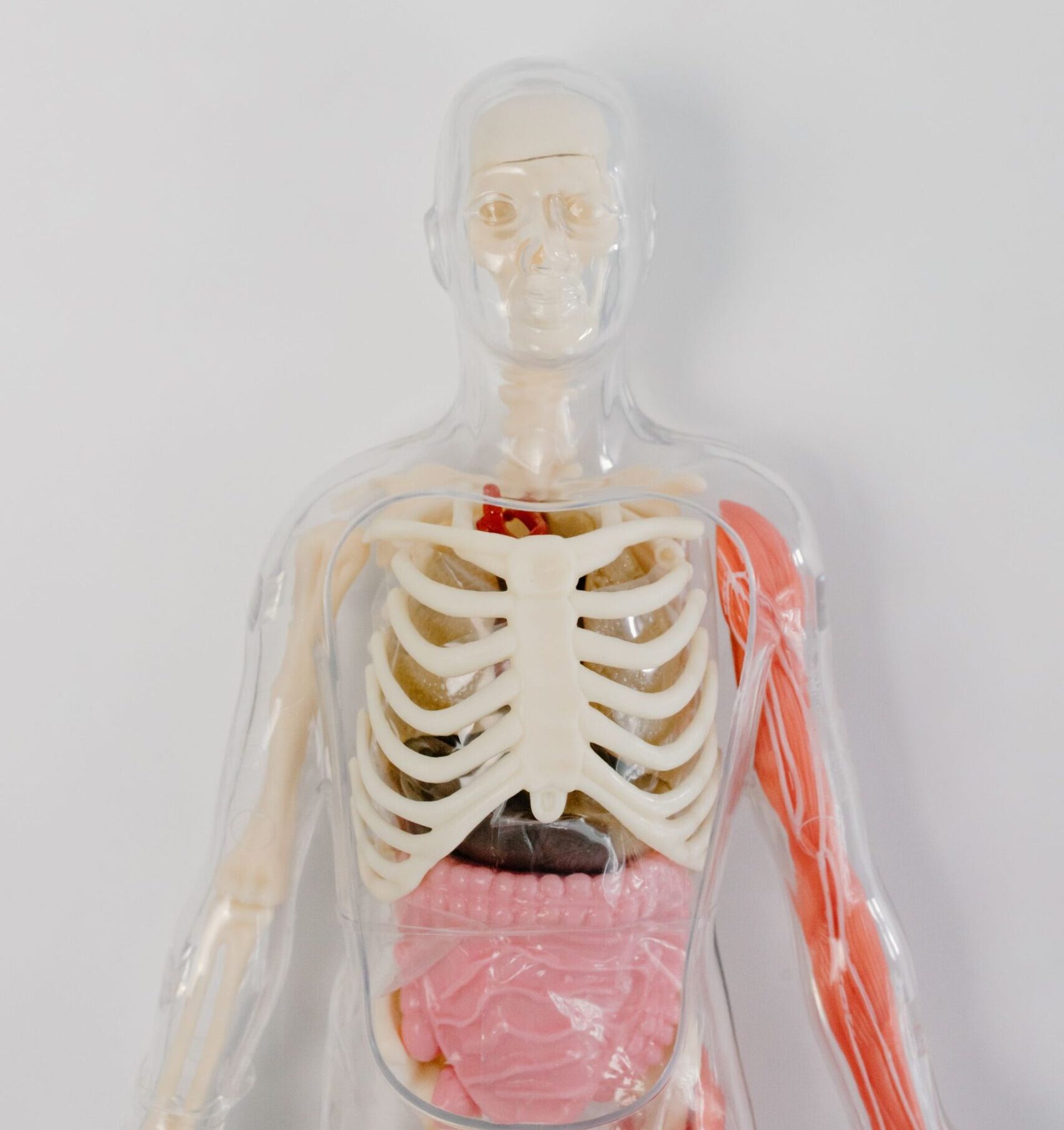
Body donation is a meaningful, often no-cost option which contributes to medical education and research. It requires pre-planning and acceptance into a program, so it’s important to explore ahead of time and share your wishes with your people.
Pros
Often no cost (transport + cremation usually included)
Contributes to medical education/research
Reduces environmental impact compared to traditional burial
Considerations
Must be accepted into a program (not guaranteed)
Timing/logistics can affect memorial planning
Some people feel unsure about how the body is used
National Whole-Body Donation Programs (U.S.)
Science Care – Body Donation Program
One of the largest U.S. programs
Covers transportation + cremation at no cost if accepted
Works with medical research + training organizations
Simple pre-registration process
Good for: people wanting a low-cost, widely available option
Nationwide program supporting surgical training and research
24/7 support for families
Emphasis on medical advancement and education
Good for: people wanting a structured, guided process
United Tissue Network (nonprofit)
501(c)(3) nonprofit
Covers transportation, cremation, and death certificates
Focus on transparency and donor tracking
Good for: people who prefer a nonprofit option
Also helpful to mention: may reduce final expenses significantly
BioGift Anatomical Donation Program
Covers cremation and transport
Returns ashes to family after use
Good for: another no-cost alternative with straightforward process
University / Medical School Programs
These are often what people assume “donating to science” means.
OHSU Body Donation Program (Oregon)
Direct donation to a medical school
Used primarily for student anatomy education
Good for: people who want a more traditional / educational route
Limitation: must meet location + acceptance criteria
Texas Tech Willed Body Program
Long-standing academic donation program
Supports medical training and resear